Reverse Caterpillar
A backward coordination task that rewards checking before moving.
Reverse Caterpillar challenges teams to progress while the usual visual cues are reduced or reversed. Participants must slow down, listen carefully and coordinate with discipline, making it a useful metaphor for projects where assumptions can mislead the group.
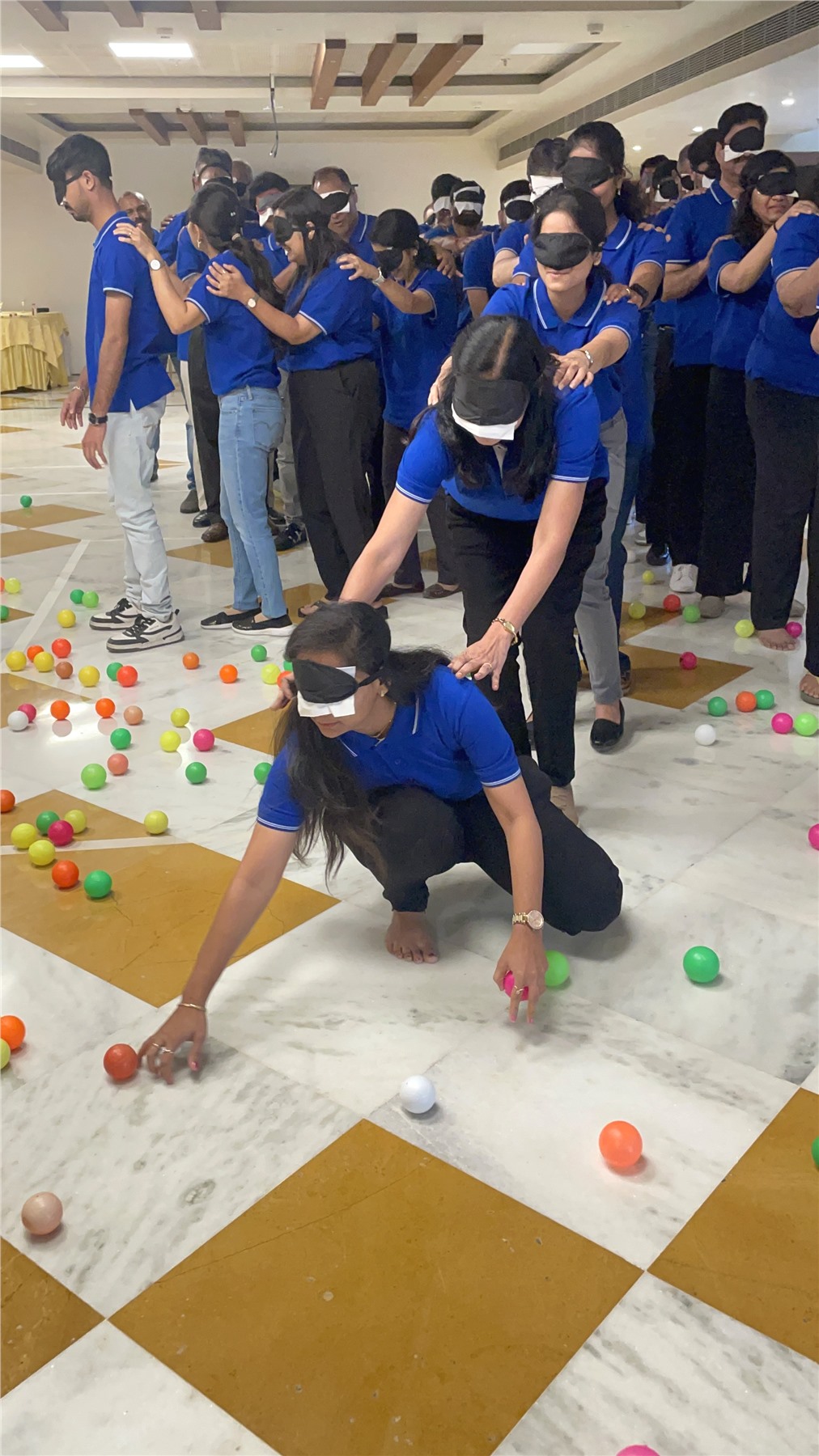
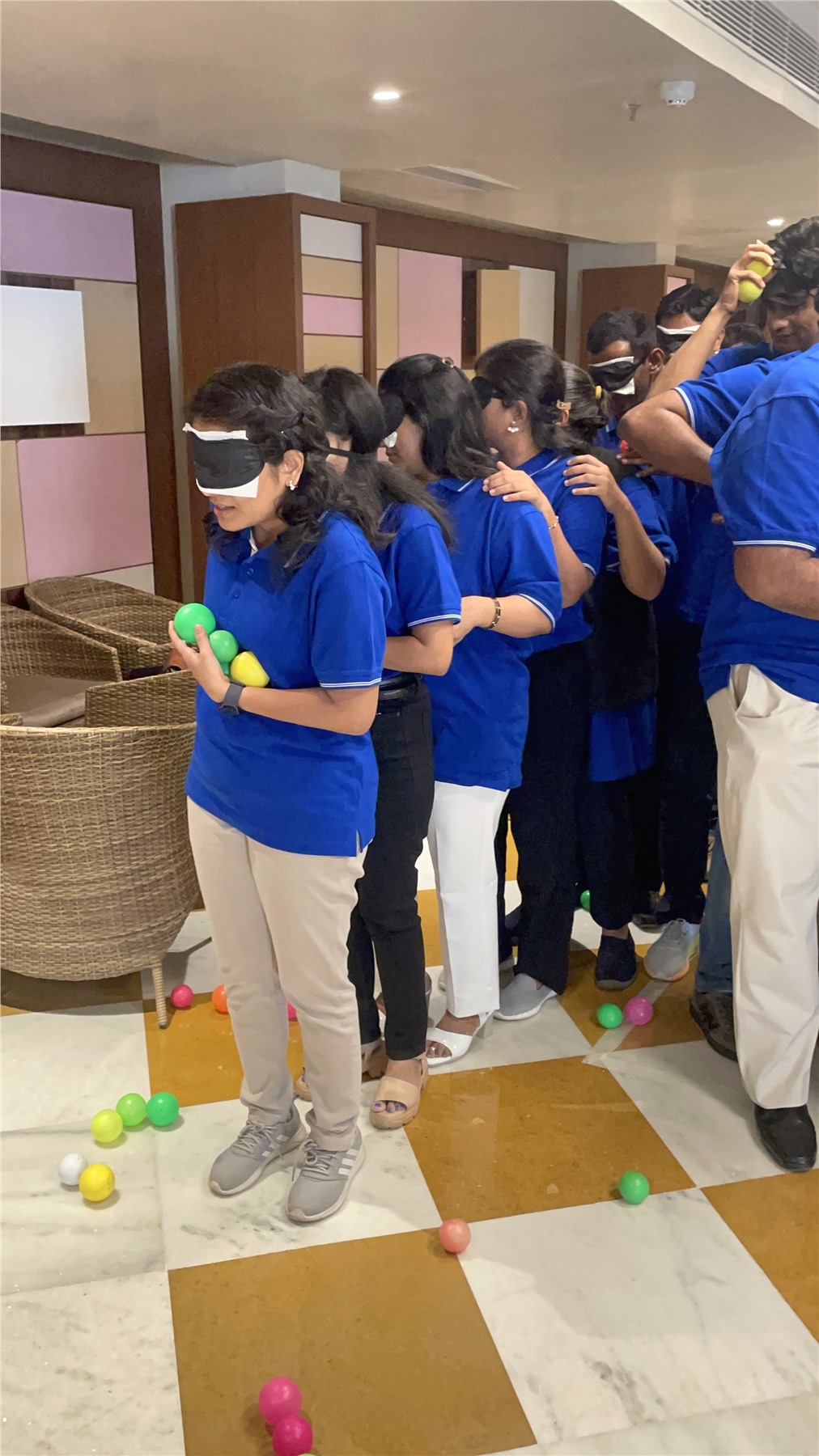
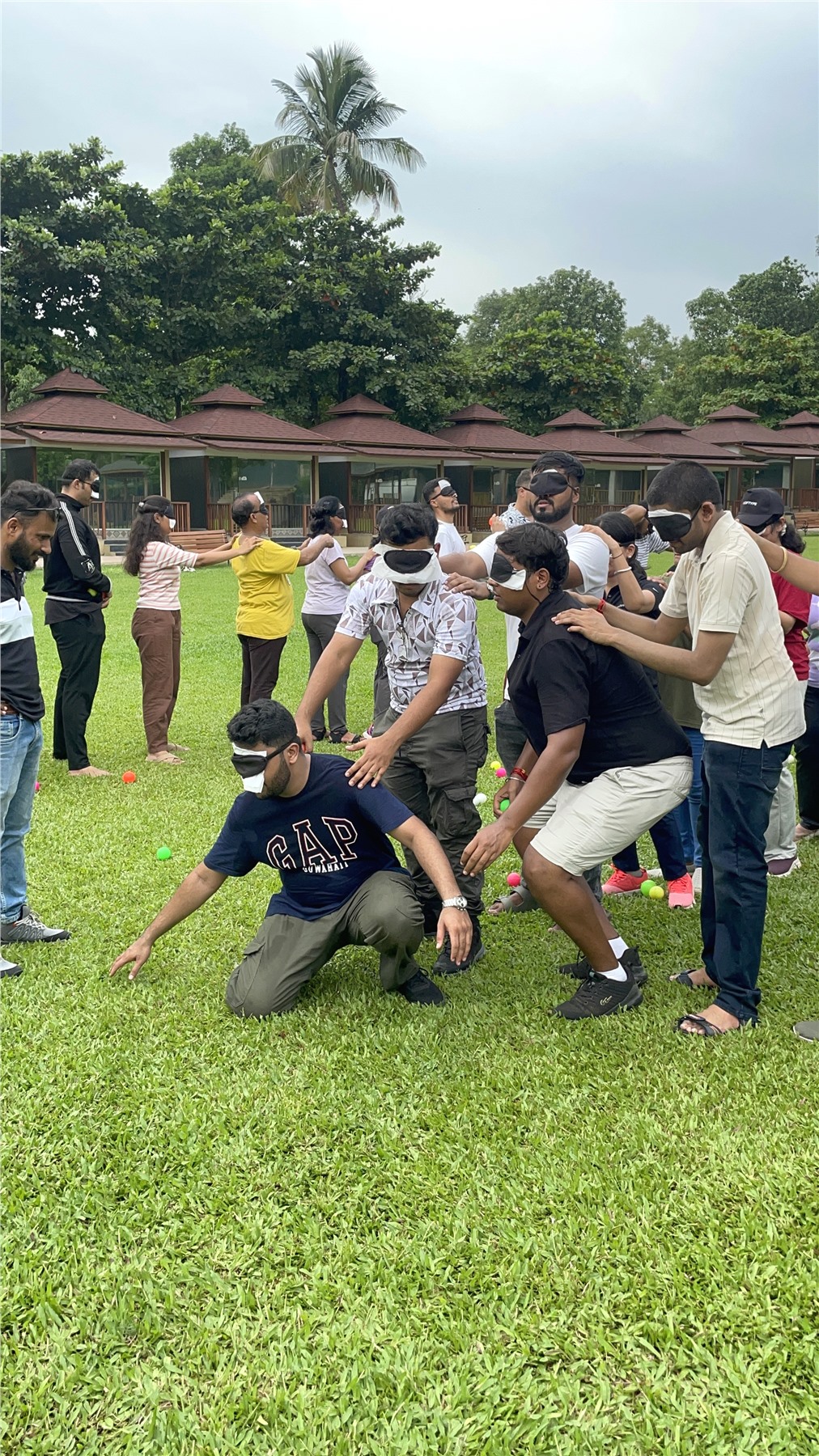
Why Organizations Love This Activity
Backward Coordination
Each a role-switching phase gives the group a practical way to test support discipline against the willingness to ask better questions and keeps the focus on observable behaviour.
Linked Trust
What happens during a calm pressure moment helps people understand shared ownership through the way ideas move through the group so the debrief has stronger recall.
Backward Rhythm
The activity rhythm around a focused participation round turns energy management into a useful lens for the next workplace habit while keeping the pace human.
Step Awareness
A shared experience in a clear action window makes inclusive participation easier to connect with the quality of peer support through a shared example everyone has experienced.
Shared Balance
The room learns from a visible pressure point by noticing how confidence building moves the way people support one another with a clear link to everyday work.
Pace Correction
Small choices during a practical review circle reveal how practical ownership changes the clarity of communication so the group can name what changed.
Group Listening
The team can use a live coordination moment to make reflection depth more concrete within the ability to recover quickly without repeating familiar training language.
Motion Transfer
A practical pause around a guided debrief pause brings balanced contribution closer to the energy people carry back so the insight can travel beyond the event.
Learning that connects directly to work.
Every round is facilitated with observation, reflection and a practical link to daily team behaviour.
System View: Backward Cueing
This objective turns Backward Cueing into a practical check on planning, communication and follow-through.
Handoff Map: Support Rhythm
Teams use Support Rhythm to notice role gaps early and agree how decisions should move.
Stress Pattern: Limited Forward Visibility
Facilitators connect Limited Forward Visibility with real workplace habits so the Reverse Caterpillar debrief stays specific.
Plan Reset: Adaptive Signals
Participants practise Adaptive Signals under manageable pressure and see how small choices affect results.
Accountability Lens: Change Readiness
The exercise links Change Readiness with ownership, timing and clearer handovers after the session.
Workplace Cue: Group Recalibration
By reviewing Group Recalibration, the group leaves with one behaviour it can apply on the next project.
The Strawberry Outbound Promise
Regardless of which programme you choose, every Strawberry Outbound programme is delivered to these nine standards.
Purpose
Every activity has a business objective.
People
Expert facilitators bring learning to life.
Precision
Every programme is thoughtfully customised.
Partnership
We work as an extension of your team.
Performance
Learning is designed for workplace impact.
Protection
Safety and professionalism come first.
Planet
Sustainable practices are woven into our events.
Presence
Reliable execution across India.
Passion
We create experiences people genuinely remember.
Trusted Experience
With 20+ years of experience and 850+ organisations served across India, we've partnered with businesses of every size to deliver impactful learning experiences that teams remember.
Backward cueing. Support rhythm. A workplace lesson shaped through reverse movement coordination.
Success Story
How backward cueing shifted the conversation toward change readiness
A team from a team learning to coordinate without full visibility used the format to explore how quickly collaboration changes when the conditions become real.
Backward cueing created an honest first snapshot of the group. Some members moved quickly, while others waited for clearer direction.
The facilitator pointed out old signals failing when direction changed, then asked the group to redesign its approach before the next attempt.
With support rhythm handled more carefully, participants saw immediate improvement in confidence, timing and ownership.
The lesson landed because change readiness was not discussed as an idea; it was experienced through the activity.
The practical takeaway was simple: when support rhythm is handled with care, old signals failing when direction changed becomes easier to discuss and change readiness becomes easier to practise.
Business Impact
- Sharper decisions during backward cueing
- Better ownership of support rhythm
- More open discussion about old signals failing when direction changed
- Clearer transfer from reverse movement coordination to daily work
- Stronger confidence in applying change readiness
Best-fit teams and occasions.
A client moment from Reverse Caterpillar.
"Our retail leadership team came into Reverse Caterpillar expecting an engaging activity, but the strongest value came from how reverse movement exposed everyday team patterns.
During the debrief, people shared the link between backward coordination and their own team reset, which made the conversation unusually specific.
By the end, checking before acting had become a practical phrase the group could take back without needing a long workshop recap."
"What stayed with us from Reverse Caterpillar was the way reverse movement made backward coordination visible in real time."
Plan a memorable team experience for your next event.
Share your city, team size, venue preference and learning objective. Strawberry Outbound will customise the format, facilitation and debrief for your audience.
